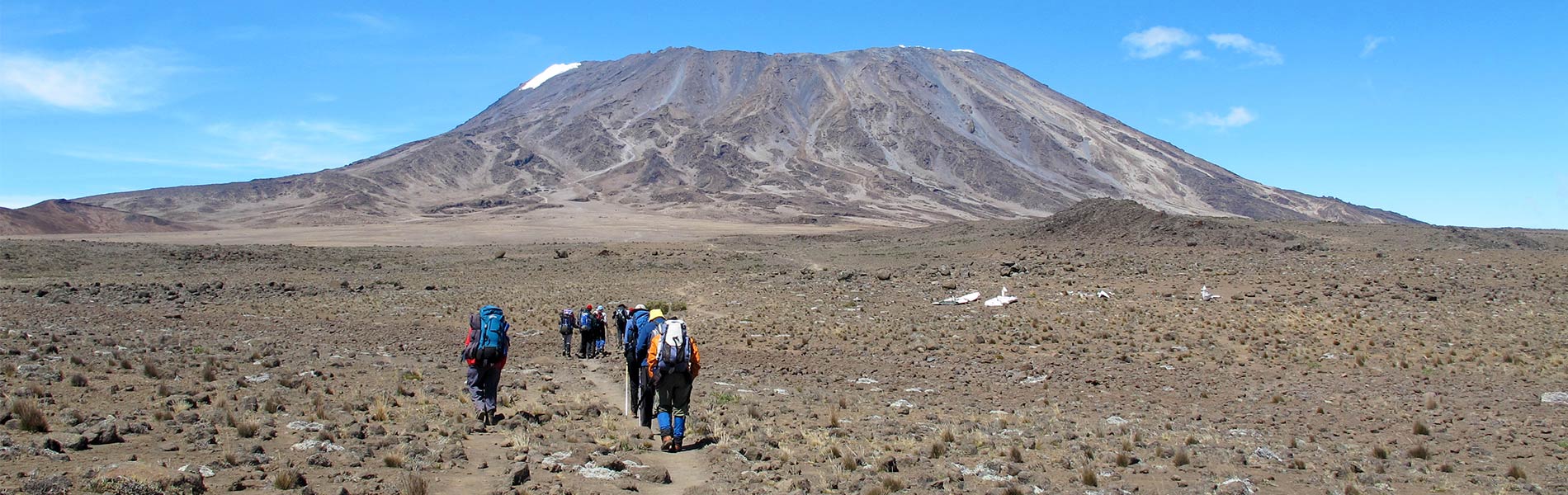
Climbing Mount Kilimanjaro is an exciting adventure, but due to its high altitude (5,895 meters or 19,341 feet), altitude sickness—also known as acute mountain sickness (AMS)—is a common and serious concern. Here’s a detailed overview of Kilimanjaro mountain sickness and the medications typically used to prevent and treat it.
🧠 Understanding Mountain Sickness on Kilimanjaro
Types of Altitude Sickness
Acute Mountain Sickness (AMS) – The most common form; symptoms include headache, nausea, dizziness, fatigue, and difficulty sleeping.
High-Altitude Cerebral Edema (HACE) – A life-threatening swelling of the brain; symptoms include confusion, poor coordination, hallucinations.
High-Altitude Pulmonary Edema (HAPE) – Fluid in the lungs; symptoms include shortness of breath at rest, cough, chest tightness, and cyanosis (blue lips or fingernails).
Risk Factors
Ascending too quickly
Sleeping at high altitudes without proper acclimatization
Individual susceptibility (not always related to fitness)
💊 Medications for Prevention and Treatment
1. Acetazolamide (Diamox)
Purpose: Prevents and treats AMS
How it works: Increases breathing rate and helps the body acclimatize faster
Dosage: Usually 125–250 mg twice daily, starting 1–2 days before ascent and continuing during the climb
Side effects: Frequent urination, tingling in hands/feet, taste alterations
2. Dexamethasone
Purpose: Treats moderate to severe AMS and HACE
How it works: Steroid that reduces brain swelling
Dosage: 4 mg every 6 hours
Note: Not used for prevention unless advised by a physician; must be tapered if used for more than a few days
3. Nifedipine
Purpose: Used to treat HAPE
How it works: Lowers pulmonary artery pressure
Dosage: 30 mg extended-release every 12 hours
Note: Reserved for serious cases; requires medical guidance
4. Ibuprofen / Paracetamol
Purpose: Symptomatic relief of headaches and minor AMS symptoms
Dosage: As needed, within safe daily limits
📋 Additional Tips for Prevention
Choose longer routes (e.g., Lemosho or Northern Circuit) for better acclimatization
Climb high, sleep low: Ascend during the day and descend slightly to sleep
Hydrate well: 3–4 liters of water per day
Avoid alcohol and depressants at altitude
Pace yourself: “Pole pole” (slowly, slowly in Swahili)
Know the symptoms: Tell your guide if you feel unwell
🧳 Packing Essential Medications
Include in your Kilimanjaro first aid kit:
Acetazolamide (prescription)
Dexamethasone (if prescribed for emergencies)
Ibuprofen or Paracetamol
Anti-nausea medication (like promethazine)
Cough suppressants (for dry air)
Water purification tablets